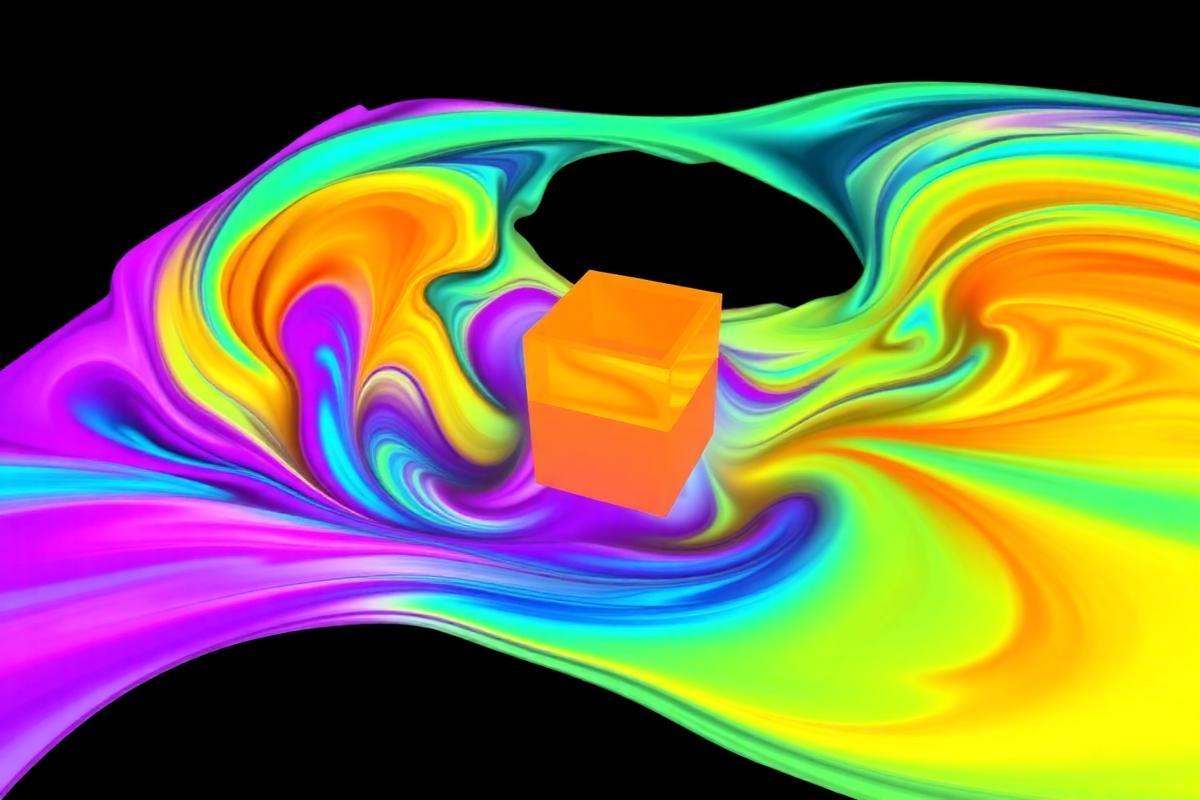
CFD & Simulation
What Is Computational Fluid Dynamics?
A clear introduction to CFD: what it solves, how the equations are discretised, and when a simulation can be trusted.
11 min readBy Dr. Elena Marchetti
Read ArticleLibrary
Structured explanations of complex engineering and computing topics, each reviewed, dated and referenced.
A clear introduction to CFD: what it solves, how the equations are discretised, and when a simulation can be trusted.
How engineers can apply supervised learning to real measurement and simulation data without a computer science degree.
A balanced comparison of licensing, solver capability, meshing, scripting and support for industrial and academic work.

Forward pass, loss, backpropagation and gradient descent explained step by step with a minimal worked example.
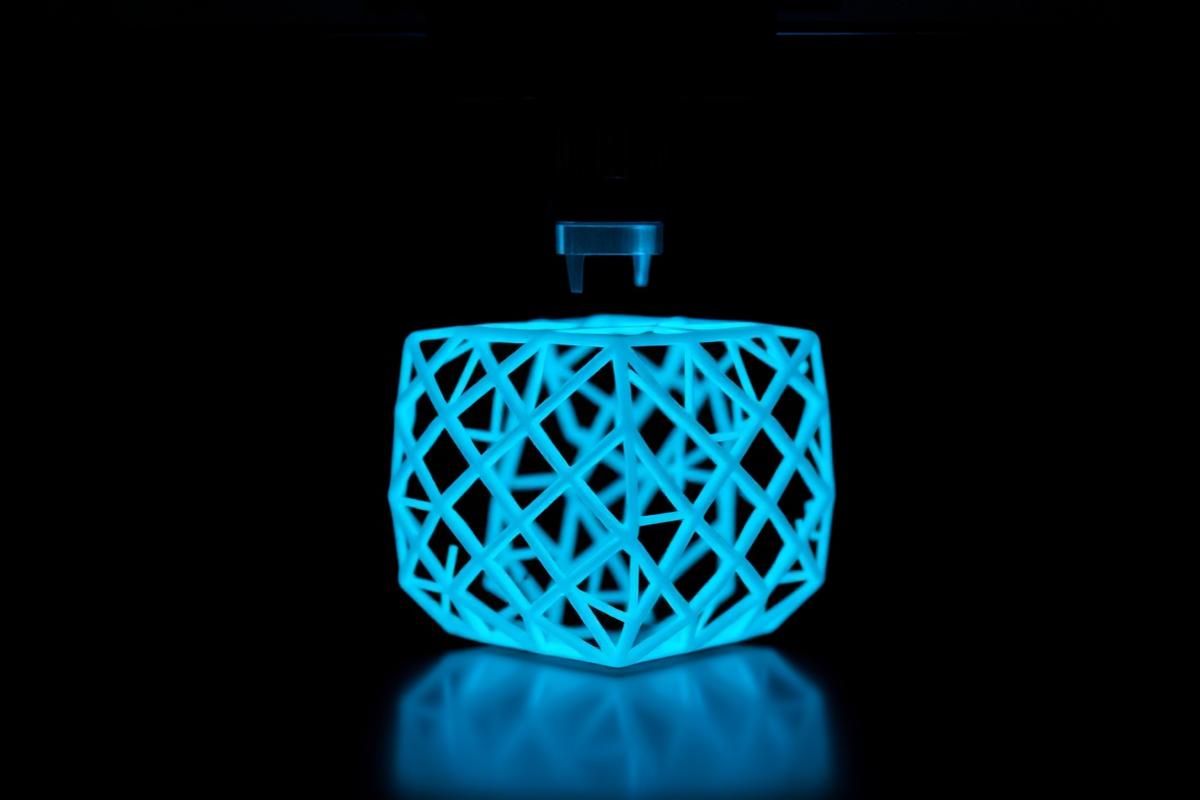
From CAD model to finished part: printers, materials, slicing settings and the checks that prevent failed prints.

Automate repetitive engineering work: batch post-processing, report generation and reproducible calculation scripts.
What AI actually is, how modern systems are built, and where the practical limits sit for engineering work.
RANS, k-epsilon, k-omega SST, LES and DES compared, with guidance on choosing a model for your problem.
Mesh resolution, watertight geometry, wall thickness and orientation: the checks that make an STL printable.
A diagram-first explanation of layers, weights, activations and how representations form inside a network.

What a digital twin really requires: data pipelines, calibrated models, reduced-order surrogates and governance.
Setting up a credible dispersion study: source terms, atmospheric stability, domain sizing and acceptance criteria.
Skewness, y+, abrupt size transitions and under-resolved boundary layers: how to spot and fix them early.
When labels help, when they are unnecessary, and how to choose an approach for engineering datasets.